
From OLED to LCD: A Step Back for Switch 2
Nintendo’s Switch 2 trades OLED for LCD, echoing past hardware pivots like the 3DS. While the screen changes, the future of hybrid gaming remains bright.
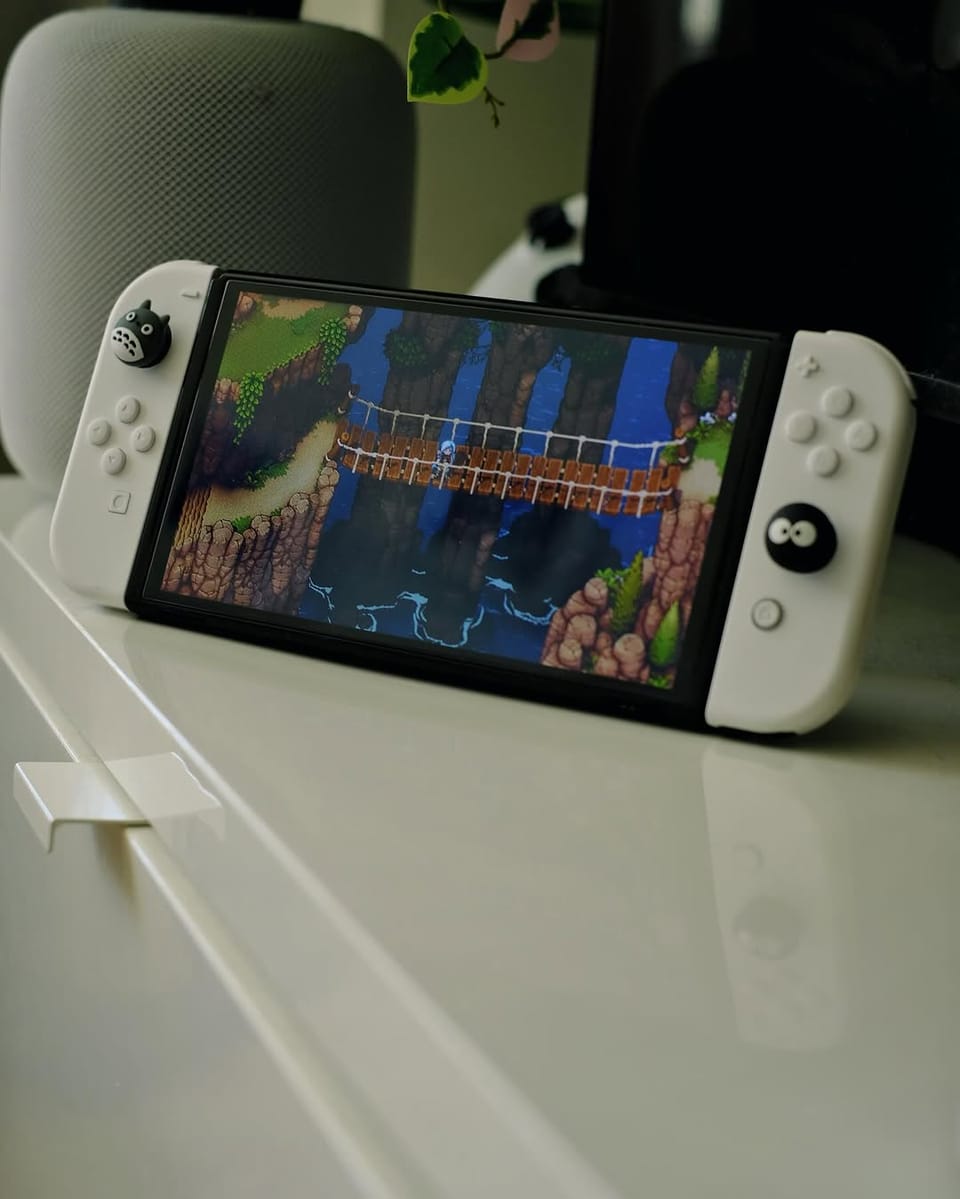
As excitement swells around the upcoming release of the Nintendo Switch 2, one confirmed detail has left a segment of the gaming community slightly disappointed: the use of an LCD display. Despite advancements in nearly every other area of the device, Nintendo has chosen to forgo the OLED screen featured in its most recent Switch revision.
The 2021 release of the OLED model of the original Switch was a game-changer. It offered deep blacks, vibrant colors, and a level of visual polish that elevated playing the handheld when portable. For many players, it set a new standard in what to expect from Nintendo’s displays. The return to an LCD screen in the Switch 2 feels like a step backward, especially for those who’ve come to expect OLED quality in Nintendo's modern-day releases.
While modern LCDs can offer sharp visuals and decent color reproduction, they still fall short of the deep contrast and dynamic range OLED panels deliver. For a hybrid console designed for both docked and portable use, the screen plays a critical role, and for some, this choice undermines the premium experience the new hardware otherwise promises.
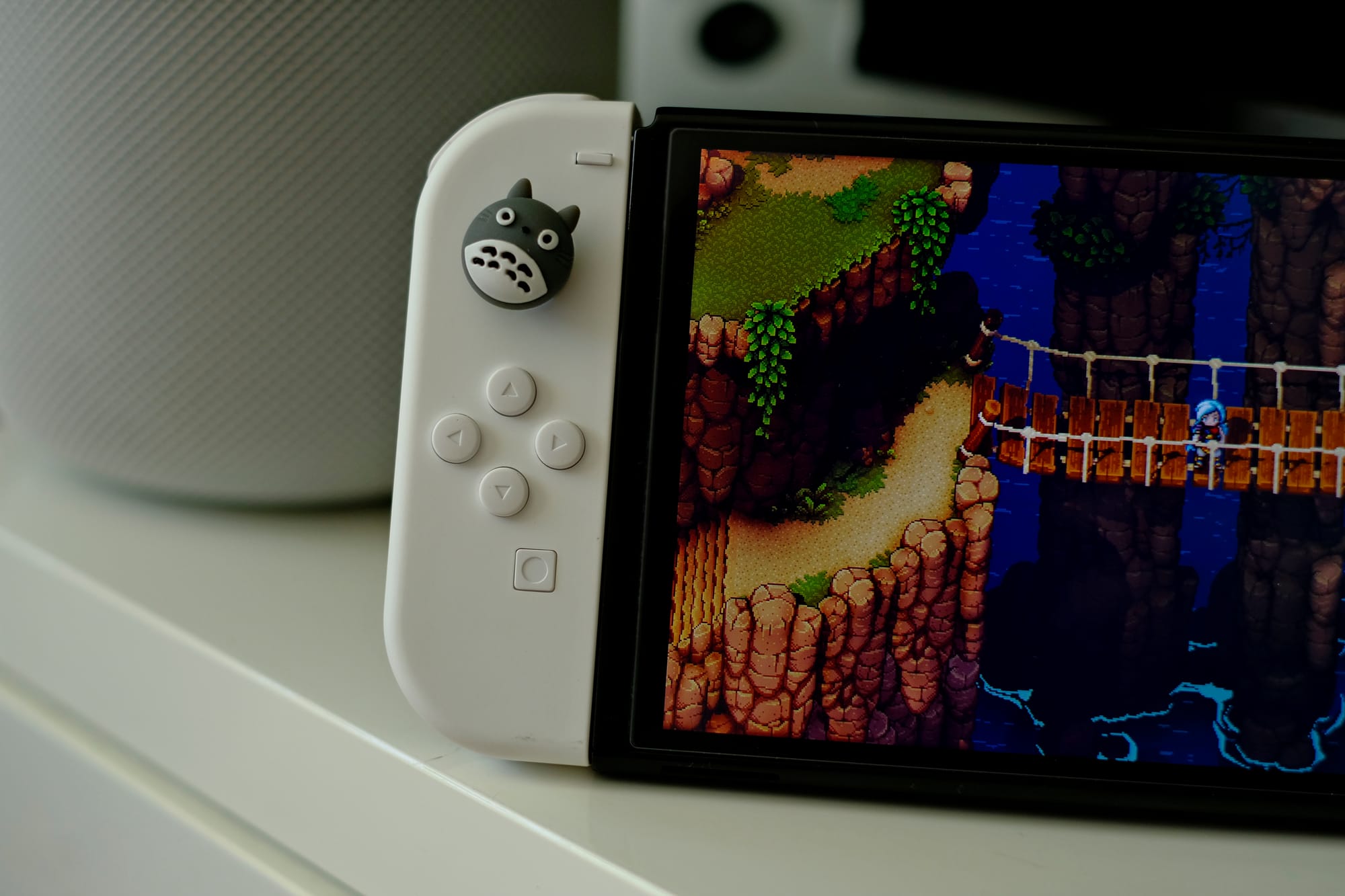
Nintendo’s decision likely stems from practical considerations. LCD panels are generally more affordable, easier to produce at scale, and can offer better durability and battery life. These factors may be especially important for a global launch of a device expected to sell in the tens of millions. Still, for players who upgraded to the OLED model expecting a visual baseline going forward, it’s a noticeable compromise.
Nintendo has a long-standing track record of making deliberate and often bold hardware decisions. While the move away from OLED to an LCD screen might seem like a step back at first glance, the company’s strategy has always been about balancing innovation with affordability and accessibility. Looking back at the evolution of the Nintendo 3DS family, we saw similar shifts in hardware direction — from the original 3DS to the 2DS with its unconventional slate form factor, and later the premium New Nintendo 3DS XL. Each iteration had a clear purpose, serving different market needs while expanding the handheld’s lifespan and reach.
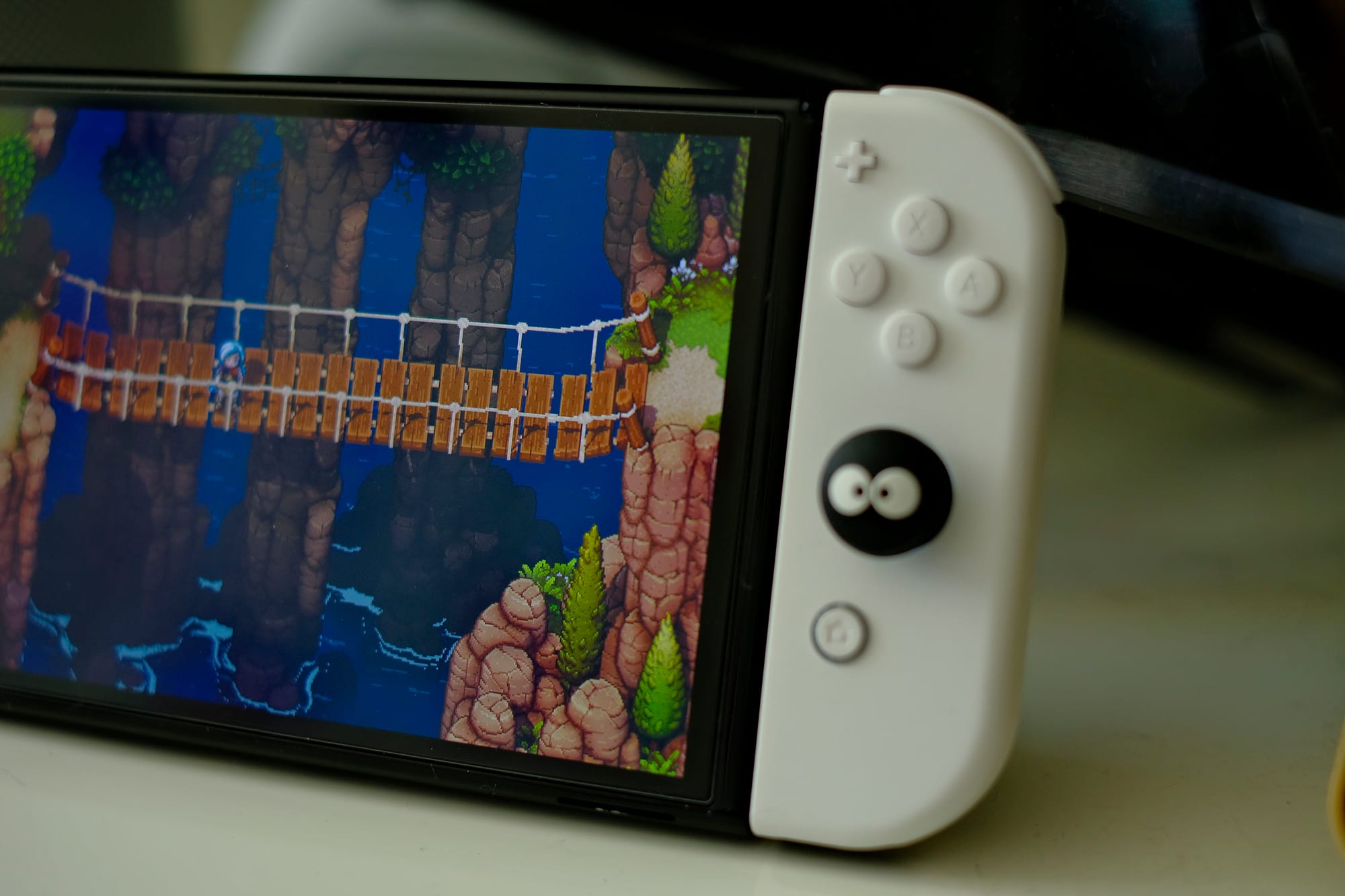
With the Switch 2, it’s clear that Nintendo is prioritizing cost-efficiency and broad availability, especially with the rising costs of hardware manufacturing. The LCD choice might be driven by this need to make the new system more accessible while still delivering meaningful improvements elsewhere — such as a more powerful SoC, better battery life, and refined Joy-Con designs.
Beyond hardware, the software pipeline gives plenty of reason for optimism. Major franchises like The Legend of Zelda, Metroid Prime, and Mario Kart are gearing up to release new entries in their respective franchises for the Switch 2. Nintendo has also shown continued strength in expanding their first-party lineup, and backward compatibility will ensure a robust launch catalog, keeping momentum from the Switch era alive.
Even without an OLED screen, the future of the Switch 2 looks promising. Nintendo’s ability to innovate through gameplay and unique design has always outweighed raw specs. For fans, there’s still much to look forward to — from new adventures in familiar worlds to entirely new experiences that will define the next era of gaming.
Become a subscriber receive the latest updates in your inbox.